

HLC Assurance Review

Telling the Butler story

Join us as we showcase our high-quality education and our efforts to seek continual improvements.

Jordan Hall

Butler University will soon be participating in its Higher Learning Commission (HLC) Assurance Review, a key part of maintaining our institutional accreditation. The HLC is an independent accrediting body that evaluates colleges and universities to ensure they meet established standards of quality, integrity, and continuous improvement.

The Assurance Review is a comprehensive, evidence-based evaluation of how well Butler fulfills HLC’s Criteria for Accreditation. It examines areas such as our mission, academic programs, student support services, governance, resources, and processes for assessment and improvement. Rather than being a one-time event, the review reflects ongoing work across campus to demonstrate effectiveness and accountability.

This process involves collaboration among faculty, staff, and administrators to collect documentation, reflect on our practices, and identify strengths and opportunities for growth. The Assurance Review not only supports continued accreditation, but also helps Butler enhance the quality of education and services we provide to our students.

More information about the review process and opportunities for campus involvement will be shared as the review approaches.

HLC Lead Team

  • Josh Petrusa, Dean of Libraries
  • Carrie Allen, Associate Director of Assessment & Accreditation, Office of Institutional Research and Assessment
  • Travis Ryan, Associate Provost
  • Bridget Yuhas, Executive Director, Strategy Assessment & Operations, Student Affairs

Criterion One – Mission

  • Nii Kpakpo Abraham, Senior Director, Office of Student Experience and Engagement
  • Lisa Brooks, Dean, Jordan College of the Arts and Professor of Violin
  • Kathleen Camire, Director for Student Disability Services and 504 Coordinator
  • Kelli Esteves, Associate Dean, College of Education and Human Development, and Professor of Education
  • Carolyn Gentle-Genitty, Professor and Dean, Founder’s College
  • Michael Hole, Provost and Executive Vice President for Academic Affairs
  • Jay Howard, Assistant Vice President for Academic Affairs, Office of the Provost
  • Alexis Newell, Assistant Director, Hub for Black Affairs and Community Engagement
  • Bridget Yuhas, Executive Director, Strategy, Assessment and Operations

Criterion Two – Integrity: Ethical and Responsible Conduct

  • Martha Dziwlik, Dean of Students, Office of Student Affairs
  • Lisa Fishback, Director, HR Operations and Compliance
  • Josh Hayes, Registrar, Office Enrollment Management
  • Chad Knoderer, Professor of Pharmacy Practice, College of Health Professions
  • Mary Krohn, Associate Dean, Student Academic Affairs, College of Liberal Arts and Sciences and Senior Lecturer of Mathematics
  • Joel Martin, Professor of Psychology, College of Liberal Arts and Sciences
  • Andrew Schmelz, Associate Professor of Pharmacy Practice, College of Health Professions
  • Jennifer Snyder, Professor and Executive Associate Dean of Academic and Administrative Services, College of Health Professions
  • Shanna Stuckey, Director, Office of Sponsored Programs
  • Molly Sullivan, Senior Associate Director of Administration, Athletics

Criterion Three – Teaching and Learning for Student Success

  • Susan Adams, Professor of Education, College of Education and Human Development
  • Chad Bauman, Professor of Religion, College of Liberal Arts and Sciences
  • Gary Beaulieu, Senior Director of Career and Professional Success
  • Melissa Etzler, Senior Lecturer of German, Modern Language Center
  • Kelly Freiberger, Director of Student Rights and Responsibilities, Office of Student Affairs
  • Robbie Lopez-Shue, Executive Director, Student Success Center
  • Jill McKinney, Assistant Vice President of Academic Affairs and Director of Global Engagement
  • Darin Ramsey, Pharmacy Program Director and Professor, College of Health Professions
  • Amanda Stevenson-Holmes, Instructor of Strategic Communication, College of Communication

Criterion Four – Sustainability: Institutional Effectiveness, Resources, and Planning

  • Sarah Beck, Senior Executive Director, Office of the President
  • Steven Dolvin, Professor of Finance, Lacy School of Business
  • Elise Edwards, Executive Associate Dean and Professor of Anthropology, College of Liberal Arts and Sciences
  • Alan Finn, Executive Vice President for Finance and Chief Operating Officer
  • Sarah Hawkins, Executive Director, Foundation Relations
  • Stephanie Hinshaw, Associate Vice President for Transformation, Transformation Lab
  • Suahil Housholder, Chief Financial Officer
  • Randal Ojeda, Executive Director of Culture and Inclusion, Diversity Center
  • Travis Ryan, Associate Provost and Professor of Biological Sciences, College of Liberal Arts and Sciences
  • Anne Wilson, Professor of Chemistry and Biochemistry, College of Liberal Arts and Sciences

Criteria for Accreditation

The Criteria for Accreditation are the standards of quality by which the Commission determines whether an institution merits accreditation or reaffirmation of accreditation. To maintain accreditation, Butler University must demonstrate it is meeting all four criteria.

Jordan hall in early spring

Criterion One – Mission

The institution’s mission is clear and articulated publicly; it guides the institution’s operations.

BU sign

Criterion Two – Integrity: Ethical and Responsible Conduct

In fulfilling its mission, the institution acts with integrity; its conduct is ethical and responsible.
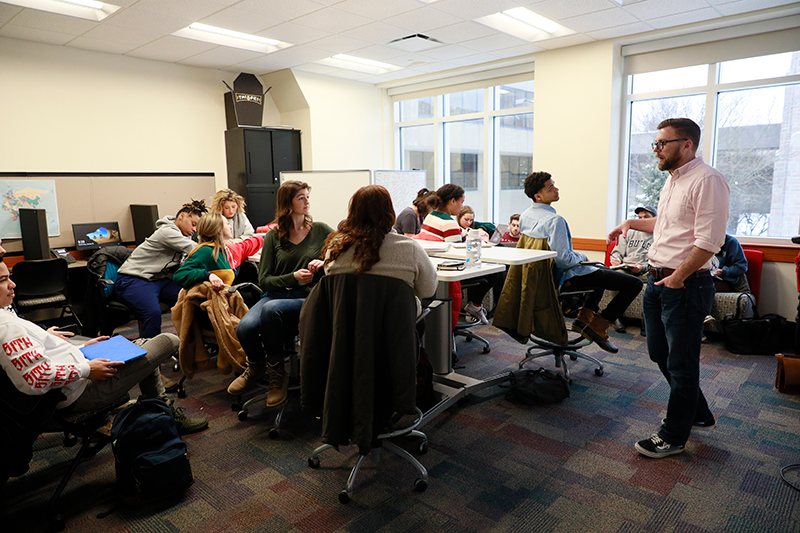
a class being taught

Criterion Three – Teaching and Learning for Student Success

The institution demonstrates responsibility for the quality of its educational programs, learning environments and support services, and it evaluates their effectiveness in fulfilling its mission. The rigor and quality of each educational program is consistent regardless of modality, location, or other differentiating factors.
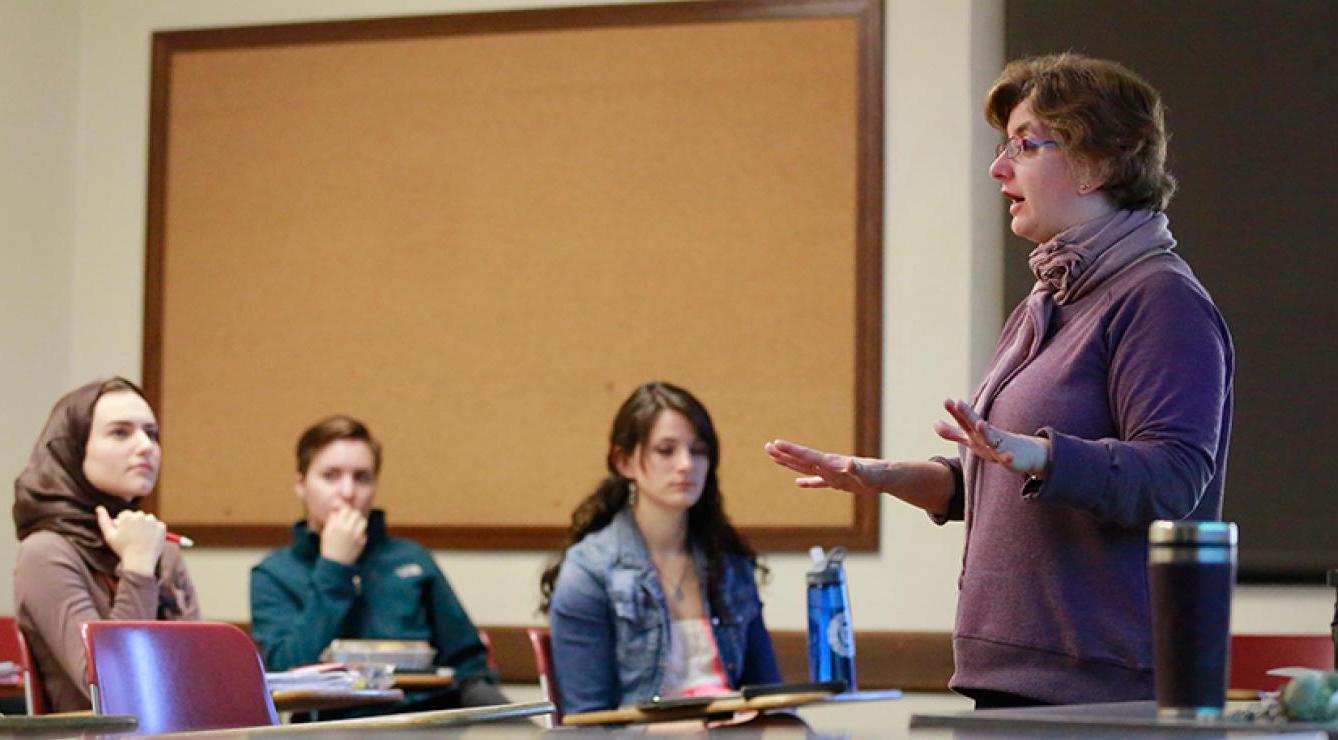
Butler University, faculty development meeting

Criterion Four – Sustainability: Institutional Effectiveness, Resources, and Planning

The Institution’s resources, structures, policies, procedures and planning enable it to fulfill its mission, improve the quality of its educational programs, and respond to future challenges and opportunities.