Introducing a High-Demand Healthcare Career 

Butler University’s Bachelor of Science in Respiratory Therapy empowers the next generation of healthcare professionals to enter the workforce with a strong sciences background, a human-centric approach, and real-world experience—including clinical practicums at top Indianapolis healthcare institutions and preparation for national board exams.

Respiratory therapists play a critical role in helping patients of all ages—from newborns to older adults—breathe more easily. Working closely with physicians and advanced healthcare providers, they help treat conditions involving the lungs, heart, and kidneys and provide care for disorders such as asthma, COPD, pneumonia, sleep apnea, and cases requiring ventilator support. 

Respiratory therapists are in higher demand than ever. Butler’s new Respiratory Therapy degree seeks to meet the need while creating opportunities for leadership, specialization, and advanced education in an ever-evolving field.

Two Butler students discuss class work while using laptops.

Begin as a Pre-Respiratory Therapy Major

Students pursuing Respiratory Therapy out of high school can apply to Butler as a Pre-Respiratory Therapy major for a direct pathway into the professional phase. You’ll begin taking science courses your first year and learn about the profession while earning the prerequisites required for the professional phase of the Respiratory Therapy program.
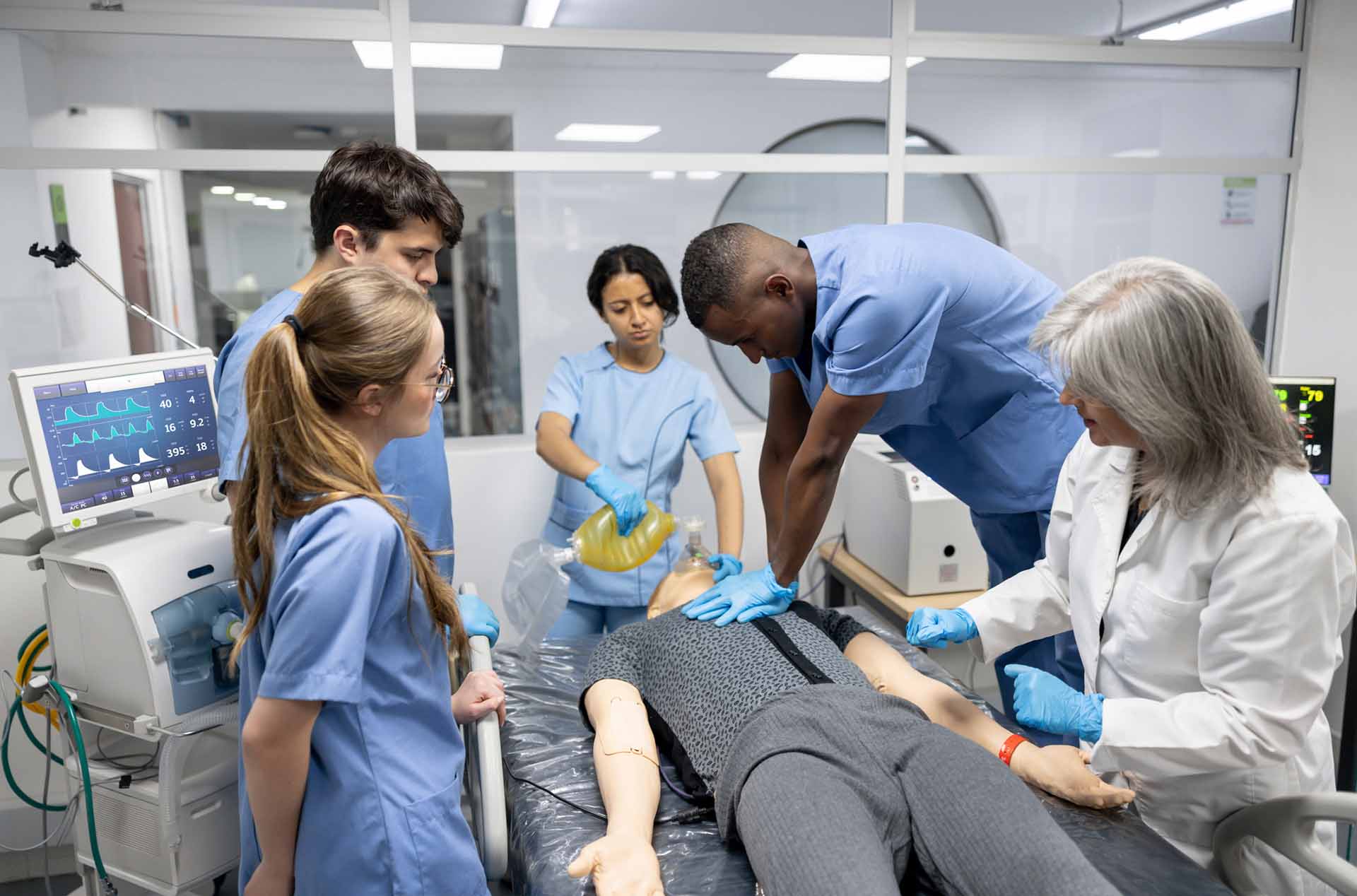
Man in scrubs teaches medical students to perform CPR on a manikin at the hospital.

Complete Your Degree in the Professional Phase

Students who meet the prerequisites for the Respiratory Therapy major and are admitted following their interview then proceed to complete the remaining six semesters and one summer session of the program. Transfer students are invited to enter the professional phase at this stage, provided they have also completed the required prerequisites and are selected through the admission process.

While many respiratory therapy programs are offered as an associate degree, Butler’s program aligns with the broader trajectory of the profession by offering a Bachelor of Science. This rigorous training, in addition to a human-centered curriculum, prepares students to enter the workforce with confidence and versatility.

Students can either pursue respiratory therapy roles directly after graduation or apply for other graduate or professional healthcare programs.

Medical professionals intubate patient in the intensive care unit (ICU).

The American Association for Respiratory Care has indicated its desire for all respiratory therapists to hold at least a bachelor’s degree by 2030. ​

Programmatic Outcomes

CoARC accredits respiratory therapy education programs in the United States. To achieve this end, it utilizes an ‘outcomes based’ process. Programmatic outcomes are performance indicators that reflect the extent to which the educational goals of the program are achieved and by which program effectiveness is documented.